Training plan
https://azwellmed.com/wp-content/uploads/2021/05/AdobeStock_309725341-scaled.jpeg
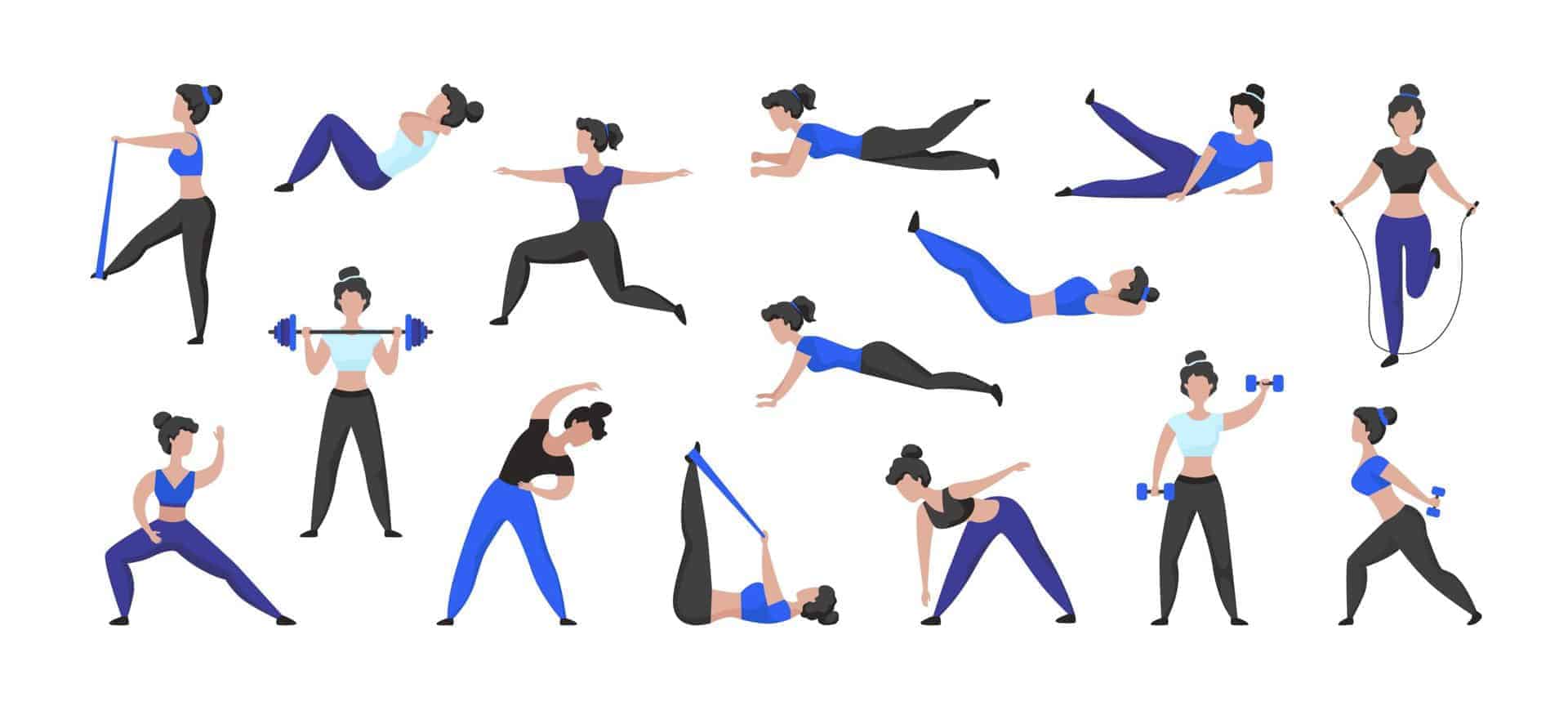
For a female football player looking to increase muscle mass and decrease their body fat, they must engage in a specific exercise regime to gain the results they want. This must include cardiovascular training, strength and flexibility exercises. The athlete currently competes once a week for her football club and trains twice weekly at football training. These sessions are mainly team focused with individual fitness at the end. In their own times, the athlete must engage in strength training twice a week in which they target major muscle groups through exercises such as squats, to increase power, deadlifts for overall body strength alongside push and pull exercises. Based on states that strength training is an important part of a footballers training schedule as this engages the athlete in resistance based activities specific to those they would encounter in their performance (Hoffman et al., 2003).
It is also important for the athlete to engage in cardiovascular training 2-3 times per week outside of their training and match days. A systematic review of the health benefits of cycling concluded that there was a clear positive relationship between cycling and cardiorespiratory fitness (Oja et al., 2011). Cycling is a low resistance activity which is also important as this does not strain the athletes body to the point of exhaustion in which they then cannot complete other activities such as their strength training and match day fitness.
Flexibility and mobility is included in her regime daily as she must perform dynamic stretches to maintain her current level of flexibility and prevent injury. In 1982, Ekstrand & Gilquist found that around 17% of injuries in football have been due to muscle tightness and lack of flexibility, this is why stretching before and after each session she completes is important as this warms up and cools down the muscles preventing these injuries. Lack of flexibility restricts the athletes range of motion in which the muscle is then predisposed to muscle injury and an impairment in performance (Rhnama, Lees, & Bambaecichi, 2005).
This training schedule is designed specifically to improve the athletes sporting performance whilst helping them reach their personal goals of decreasing body fat through cardiovascular training and strength training and increasing their muscle mass by pushing their body to strengthen their muscles and prevent injury through stretching.